Comprehensive Guide to GI Surgery for the Stomach: Conditions, Procedures & Recovery
The stomach, an essential organ in the digestive system, plays a central role in breaking down food, mixing it with gastric juices, and managing the early stages of digestion. When disease, injury, or dysfunction strikes the stomach, gastrointestinal (GI) surgery may be required — a specialized field of surgery focused on treating conditions of the digestive tract, including the stomach.
GI surgery encompasses a wide range of procedures — from minimally invasive laparoscopic treatments to complex open surgeries — all designed to restore normal function, eliminate disease, and improve quality of life.
What Is GI Surgery? A Closer Look
GI surgery refers to surgical procedures performed on organs of the digestive system, including the esophagus, stomach, small and large intestines, liver, pancreas, gallbladder, and more. These operations may be done to diagnose, treat, or cure conditions that medications and lifestyle changes cannot manage effectively.
Specifically for the stomach, GI surgery can treat a variety of disorders — ranging from benign conditions such as obstructive bezoars to severe diseases like gastric cancer and ulcer complications.
Common Conditions Requiring Stomach Surgery
1. Gastric Cancer (Stomach Cancer)
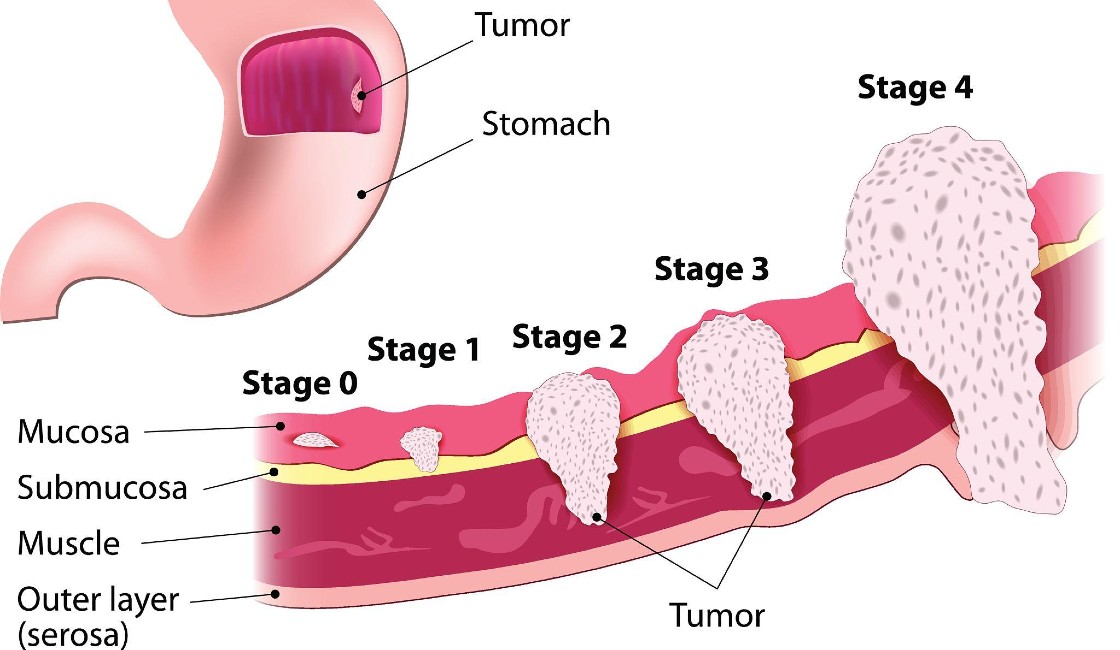
Stomach cancer (also called gastric cancer) is one of the most serious conditions affecting the stomach. Early symptoms may include persistent upper abdominal pain, vomiting, unexplained weight loss, or blood in vomit or stools. When detected early, surgery offers the best chance for cure and long-term survival.
Surgical removal of the cancerous section of the stomach is often the primary treatment — sometimes requiring partial or complete removal of the stomach, accompanied by systematic lymph node dissection to ensure no disease spread.
2. Severe Ulcers and Perforations
Complicated peptic ulcers that don’t respond to medication, or those that perforate the stomach wall, may require surgical intervention. These procedures help prevent internal bleeding, stabilize the digestive tract, and protect nearby organs from damage.
3. Bariatric (Weight-Loss) Surgery
Obesity, especially when associated with health conditions like type 2 diabetes, hypertension, heart disease, and sleep apnea, may lead to the recommendation of bariatric stomach surgery. These procedures alter the size or function of the stomach to promote long-term weight loss.
4. Obstructions and Bezoars
Rarely, food masses (known as trichobezoars) or other blockages can form in the stomach, requiring surgical removal. These conditions can present with symptoms like pain, nausea, and vomiting and often need direct surgical access to the stomach for safe resolution.
Types of GI Stomach Procedures
1. Gastrectomy
Gastrectomy is the surgical removal of part or all of the stomach. It’s a cornerstone procedure in treating stomach cancer, large benign tumors, or severe gastric disease.
Partial Gastrectomy: Only the diseased portion of the stomach is removed.
Total Gastrectomy: The entire stomach is removed and the esophagus is connected directly to the small intestine.
Post-gastrectomy, careful attention to diet and nutrition is essential, as digestion and absorption patterns change significantly.
2. Sleeve Gastrectomy
A common bariatric surgery, sleeve gastrectomy removes a large portion of the stomach, reducing it to a narrow “sleeve.” This limits food intake and decreases appetite by removing the part of the stomach that produces the hunger hormone ghrelin.
This procedure has become one of the most frequently performed weight-loss surgeries due to its effectiveness and relatively lower complication rates compared to more complex surgeries.
3. Gastric Bypass
In Roux-en-Y gastric bypass, the surgeon creates a small stomach pouch and reroutes the digestive tract so that food bypasses part of the stomach and small intestine. This dual effect — reduced intake and limited absorption — accelerates weight loss and improves metabolic conditions such as diabetes.
4. Fundoplication
For severe gastroesophageal reflux disease (GERD) that does not respond to medical therapy, fundoplication surgery wraps part of the stomach around the lower esophagus to strengthen the valve against acid reflux.
Minimally Invasive Techniques vs. Open Surgery
Advances in surgical technology have made many stomach procedures less invasive. Laparoscopic and robot-assisted surgeries use small incisions and specialized tools, which lead to:
Reduced pain and scarring
Shorter hospital stays
Faster recovery
Fewer postoperative complications
In contrast, open surgery might be necessary for complex cases — such as advanced cancer or large tumors — where wide access is essential.
Preparing for Stomach Surgery
Preparation varies by the procedure and patient but typically includes:
Comprehensive medical evaluation
Imaging studies and endoscopy
Instructions about fasting before surgery
Discussion of risks, benefits, and expected outcomes
Your surgeon will provide tailored guidance to ensure you’re fully prepared for the operation and recovery phase.
Recovery and Long-Term Care
Recovery after GI surgery involves:
Pain management
Gradual return to diet (often starting with liquids)
Monitoring for complications like infection or bleeding
Nutritional support and lifestyle counseling, especially after bariatric procedures
Long-term follow-up is critical — especially after major surgeries like gastrectomy or gastric bypass — to maintain health, prevent deficiencies, and support overall well-being.
Conclusion
GI surgery of the stomach encompasses a wide range of procedures, each designed to treat specific conditions — from malignancies and ulcers to obesity and reflux disease. With modern surgical advances, many operations are safer, more effective, and minimally invasive. If you or a loved one are considering stomach surgery, a detailed discussion with a qualified GI surgeon — reviewing your diagnosis, treatment options, and recovery expectations — is the best first step toward improved digestive health.