
Liver Transplant
Specialist evaluation and liver transplant care by Dr. Amit Jain, for patients with advanced or end-stage liver disease.
Specialist Care
Liver transplant and hepatobiliary care by Dr. Amit Jain.
Comprehensive Evaluation
Assessment of liver disease, overall health and transplant suitability.
Consultation in Delhi
Associated with Max Super Speciality Hospital, Patparganj.
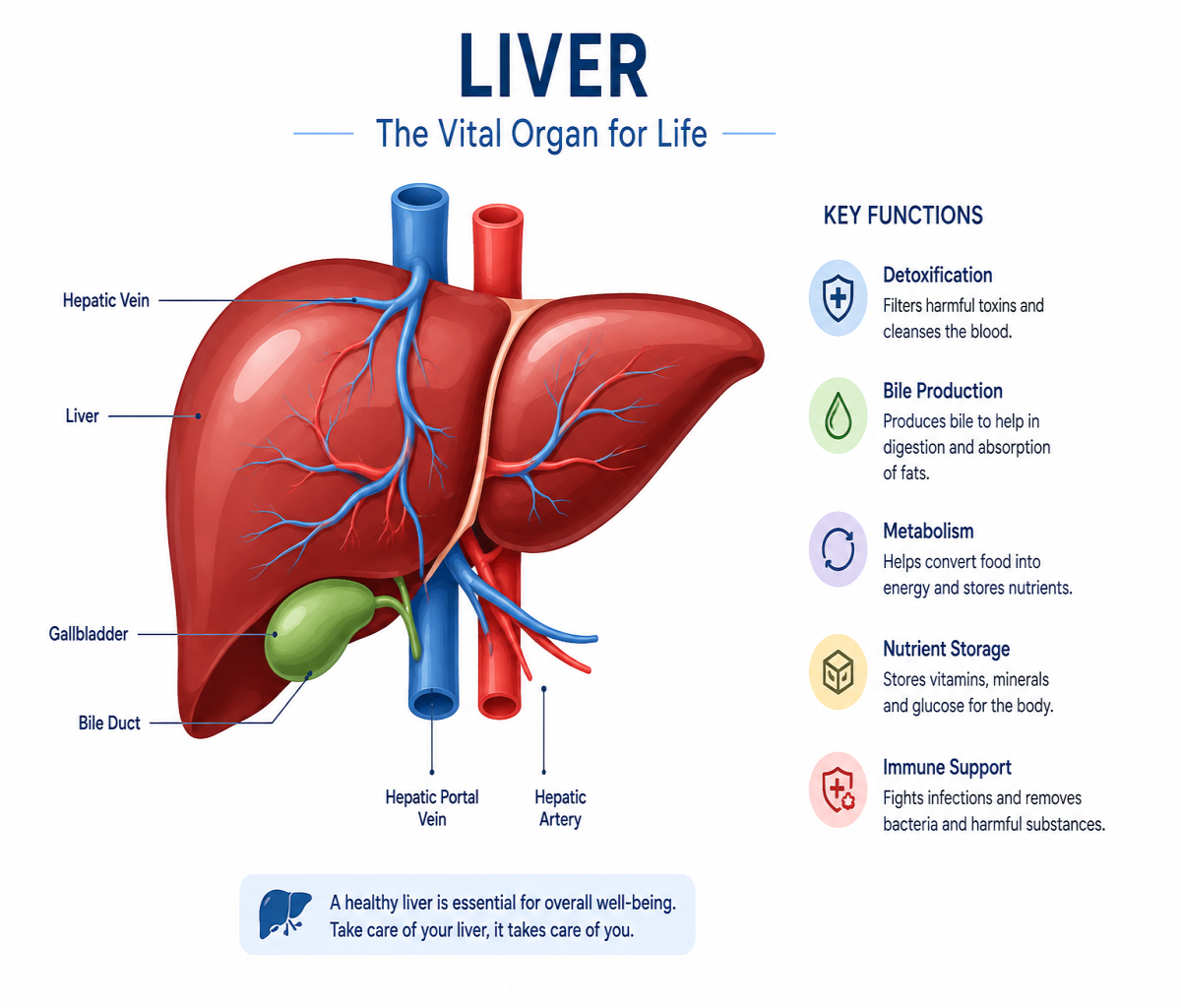
What Is a Liver Transplant?
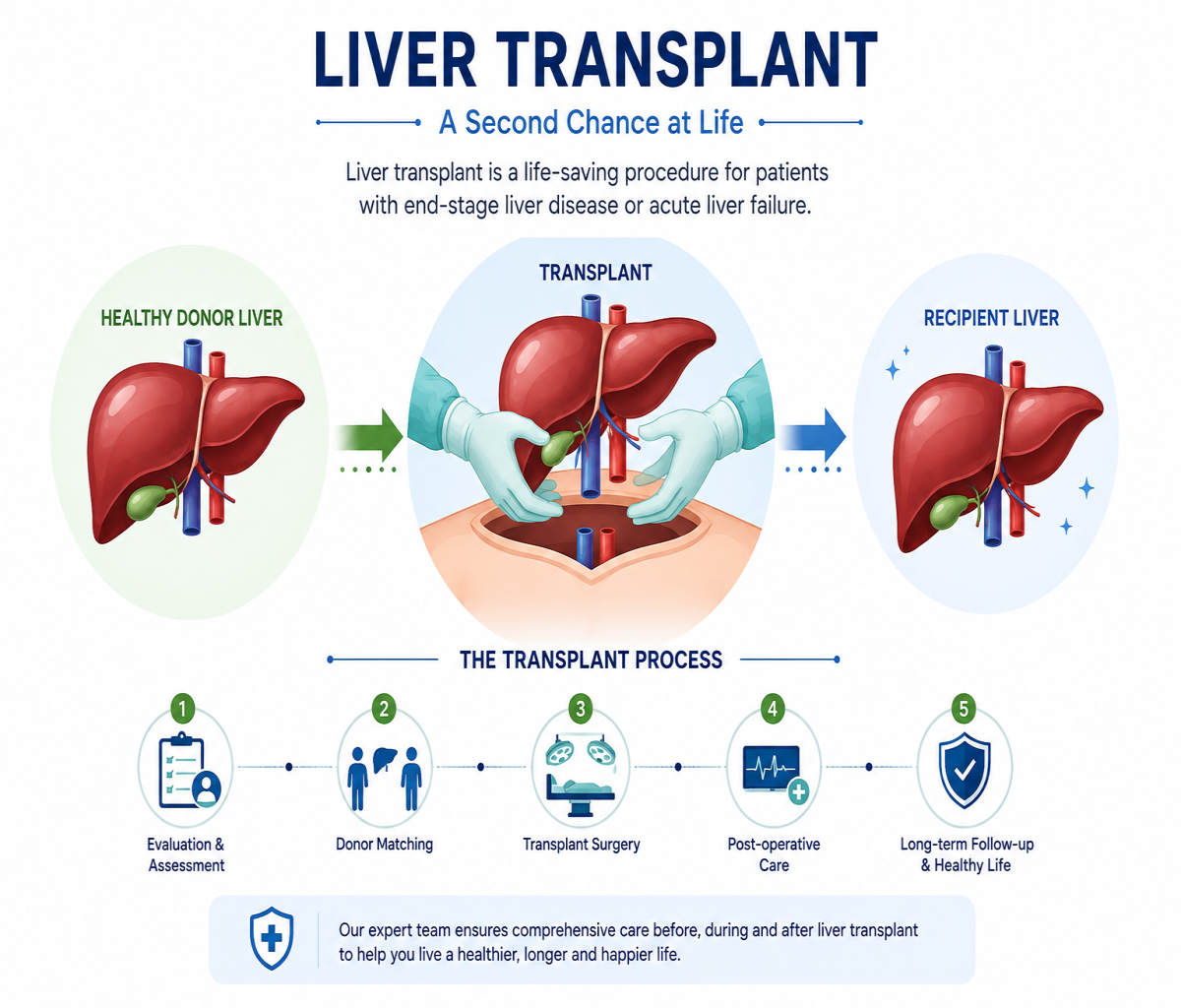
A liver transplant is a major surgical procedure in which a diseased or severely damaged liver is replaced with a healthy liver, or an appropriate portion of a liver, from a donor.
Liver transplantation may be considered for selected patients with advanced or end-stage liver disease, liver failure and certain other serious liver conditions after specialist evaluation.
Whether transplantation is suitable depends on the cause and severity of liver disease, overall health and assessment by a transplant team.
When Is Liver Transplant Considered?
A transplant may be considered when the liver is severely damaged or can no longer perform its essential functions adequately.
Conditions That May Require Evaluation
- Advanced liver cirrhosis
- End-stage liver disease
- Acute or chronic liver failure
- Selected cases of liver cancer
- Severe liver disease related to hepatitis
- Advanced liver disease associated with fatty liver disease
- Other conditions evaluated by a transplant specialist
Symptoms of Advanced Liver Disease
- Jaundice or yellowing of the eyes and skin
- Abdominal swelling or ascites
- Loss of appetite
- Unexplained weight loss
- Persistent weakness or fatigue
- Swelling of the legs
- Vomiting blood or gastrointestinal bleeding
- Confusion or changes in mental alertness
Who May Need a Liver Transplant?
Not every patient with liver disease requires a transplant. Liver transplantation is considered after a detailed assessment of liver function, disease severity, overall health and available treatment options.
Patients with progressive liver failure, advanced cirrhosis, selected liver cancers or other severe liver conditions may be referred for transplant evaluation.
Types of Liver Transplant
The type of transplant depends on donor availability, patient suitability and transplant-team assessment.
Living Donor Liver Transplant
A suitable healthy donor provides a portion of the liver for transplantation. Donor suitability and safety are assessed carefully before the procedure.
Deceased Donor Liver Transplant
A liver from a deceased donor may be allocated according to the applicable transplant system and eligibility criteria.
Split Liver Transplant
In selected situations, a deceased donor liver may be divided into portions for suitable recipients. Suitability depends on medical and surgical factors.
Liver Transplant Evaluation
Before transplantation, patients undergo a detailed evaluation to determine whether a transplant is appropriate and to assess their overall health.
The transplant team reviews the patient's medical condition, liver disease, other health problems and preparation required before surgery.
Medical history and physical examination.
Blood and liver function tests.
CT or MRI when required.
Heart and other organ function assessment.
Screening as required before transplantation.
Donor assessment where applicable.
How Is Liver Transplant Surgery Performed?
Liver transplant surgery is performed by a specialized multidisciplinary transplant team.
Surgical Procedure
The diseased or severely damaged liver is removed and replaced with the donor liver or appropriate donor liver portion.
Individualised Approach
The surgical approach depends on whether the transplant is from a living or deceased donor and on the patient's medical condition.
Post-Surgery Monitoring
After surgery, the patient is closely monitored and blood tests and other assessments are used to follow liver function and recovery.
Recovery After Liver Transplant
Recovery after liver transplantation varies from patient to patient. The hospital stay and return to normal activities depend on the patient's health, type of transplant and post-operative progress.
- Close monitoring after surgery
- Regular blood tests
- Scheduled follow-up appointments
- Prescribed immunosuppressive medicines
- Infection prevention and monitoring
- Gradual return to normal activities
Life After Liver Transplant
Long-term follow-up is an important part of liver transplant care. Regular medical reviews and blood tests help monitor the function of the transplanted liver.
Immunosuppressive medicines are generally required to reduce the risk of rejection. Medicines should be taken as prescribed and follow-up should be maintained.
Risks and Possible Complications
Liver transplantation is a major surgical procedure and may involve risks. Individual risks vary according to the patient's health and type of transplant.
- Bleeding
- Infection
- Blood vessel or bile duct complications
- Problems with the transplanted liver
- Organ rejection
- Medication-related complications
Liver Transplant Cost
The cost of liver transplantation varies depending on the type of transplant, hospital, patient's condition, investigations, ICU and hospital stay, medicines and any additional treatment required.
The expected treatment plan and estimated cost should be discussed with the treating hospital before proceeding.
Liver Transplant Care by Dr. Amit Jain
Dr. Amit Jain is a Senior Consultant in Surgical Gastroenterology, GI Oncology, Liver Transplant, Laparoscopy and Bariatric Surgery at Max Super Speciality Hospital, Patparganj, Delhi.
His clinical areas include GI surgery, hepatobiliary surgery and liver transplantation. Patients can discuss their condition and available treatment options during specialist consultation.
About Dr. Amit JainLiver Transplant Consultation in Delhi
Dr. Amit Jain is associated with Max Super Speciality Hospital, Patparganj, Delhi for Surgical Gastroenterology, GI Oncology and Liver Transplant care.
The appropriate consultation and treatment location depends on the patient's medical requirement and the service being sought.
Related Liver & GI Services
Need a Liver Transplant Consultation?
If you or a family member has advanced liver disease or has been advised to consider liver transplantation, a specialist consultation can help assess the condition and discuss appropriate treatment options.
Book an Appointment