
How to Recognize Colorectal Cancer Before It Becomes Serious
Published on 18 Jul 2026
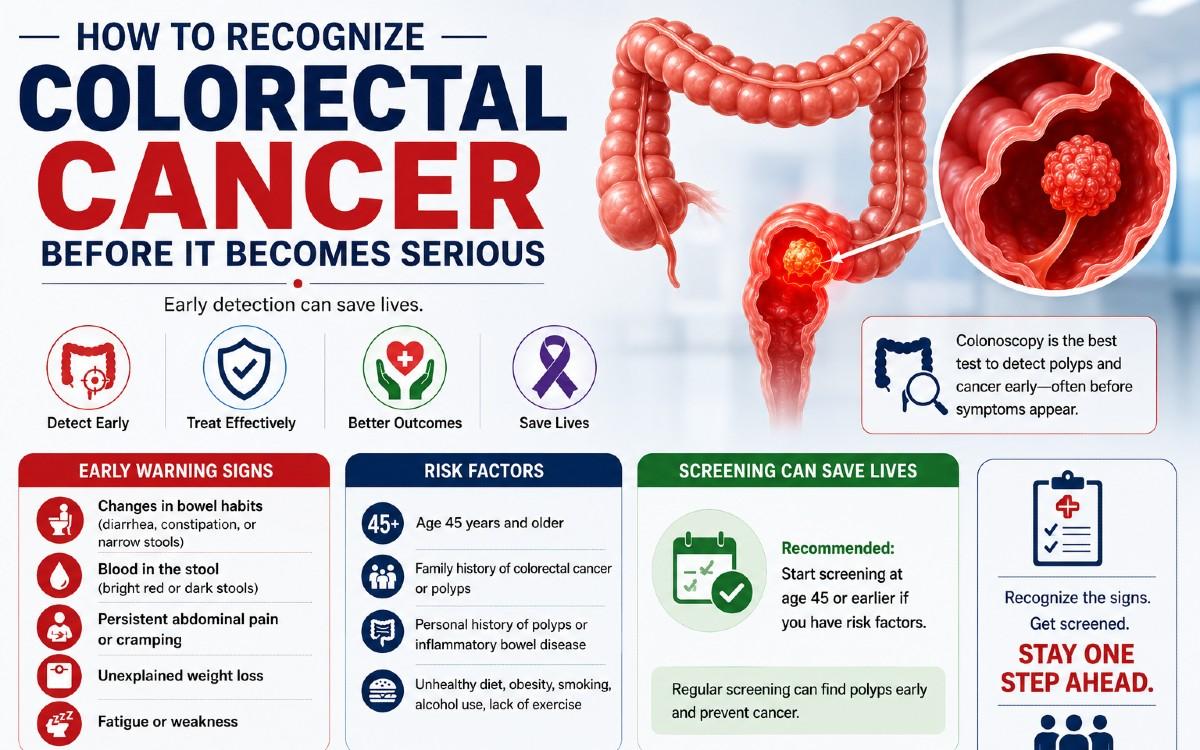
Colorectal cancer is one of the most common cancers worldwide, but it is also one of the most preventable and treatable when detected early. Unfortunately, many people overlook the initial symptoms because they often resemble common digestive problems such as constipation, hemorrhoids, or indigestion. As a result, diagnosis may be delayed until the disease has progressed.
Learning to recognize the early warning signs and understanding when to seek medical advice can make a significant difference. Timely evaluation by a Colorectal Surgeon can lead to early diagnosis and improve treatment outcomes. If you notice persistent symptoms, you can also schedule a doctor online appointment in Delhi to discuss your concerns with a specialist.
What Is Colorectal Cancer?
Colorectal cancer develops in the colon or rectum, which together form the large intestine. In most cases, it begins as small growths called polyps. While many polyps are harmless, some can gradually become cancerous if they are not detected and removed.
Because these changes often occur over several years, regular screening plays an important role in preventing colorectal cancer.
Why Early Detection Matters
Colorectal cancer is much easier to treat when diagnosed in its early stages. Early detection offers several advantages, including:
-
Greater treatment success
-
Less extensive surgery
-
Lower risk of cancer spreading
-
Better long-term survival
-
Improved quality of life
Many early-stage patients can be successfully treated with colorectal cancer surgery, especially when the disease has not spread beyond the colon or rectum.
Early Warning Signs of Colorectal Cancer
Recognizing symptoms early is the first step toward timely treatment.
1. Persistent Changes in Bowel Habits
Occasional constipation or diarrhea is common, but changes lasting more than two weeks deserve medical attention.
These may include:
-
Frequent diarrhea
-
Ongoing constipation
-
Alternating constipation and diarrhea
-
Narrow or pencil-thin stools
2. Blood in the Stool
Blood may appear bright red or dark in color. Sometimes it is not visible and is only detected through stool testing. Although hemorrhoids can also cause bleeding, persistent blood in the stool should never be ignored.
3. Abdominal Pain or Cramping
Continuous abdominal discomfort, bloating, or cramping without an obvious cause may indicate an underlying problem.
4. Feeling That the Bowel Does Not Empty Completely
A persistent sensation of incomplete bowel emptying can occur when a tumor partially blocks the intestine.
5. Unexplained Weight Loss
Losing weight without changes in diet or exercise may be a warning sign of several medical conditions, including colorectal cancer.
6. Fatigue and Weakness
Slow bleeding from a tumor may lead to anemia, causing tiredness, weakness, and reduced energy levels.
Who Is Most at Risk?
Although colorectal cancer can affect anyone, certain factors increase the likelihood of developing the disease.
These include:
-
Age over 45 years
-
Family history of colorectal cancer
-
Previous colon polyps
-
Inflammatory bowel disease
-
Obesity
-
Smoking
-
Excessive alcohol consumption
-
Diet high in processed or red meat
-
Lack of physical activity
Individuals with one or more of these risk factors should discuss screening recommendations with their doctor.
How Is Colorectal Cancer Diagnosed?
Doctors use several tests to confirm the diagnosis.
Step 1: Medical Evaluation
A healthcare provider reviews your symptoms, medical history, and family history while performing a physical examination.
Step 2: Stool Tests
These tests check for hidden blood or abnormal DNA that may indicate colorectal cancer.
Step 3: Colonoscopy
A colonoscopy is the most effective test for detecting colorectal cancer. It allows doctors to examine the entire colon and remove suspicious polyps during the same procedure.
Step 4: Biopsy
If an abnormal area is found, a tissue sample is collected and examined under a microscope.
Step 5: Imaging Tests
CT scans and MRI scans help determine the size of the tumor and whether the cancer has spread.
Treatment Options
Treatment depends on the stage of cancer, overall health, and individual patient needs.
Surgery
For many patients, colorectal cancer surgery is the primary treatment. The surgeon removes the cancerous section of the colon or rectum along with nearby lymph nodes. Surgery offers the best chance of cure for early-stage disease.
Chemotherapy
Chemotherapy may be recommended after surgery to reduce the risk of recurrence or for advanced cancers.
Radiation Therapy
Radiation is commonly used for rectal cancer before or after surgery.
Targeted Therapy and Immunotherapy
Some patients with advanced colorectal cancer may benefit from targeted medicines or immunotherapy based on their cancer's genetic characteristics.
When Should You See a Specialist?
You should consult a Colorectal Surgeon if you experience:
-
Blood in your stool
-
Persistent constipation or diarrhea
-
Ongoing abdominal pain
-
Unexplained weight loss
-
Continuous fatigue
-
Changes in bowel habits lasting more than two weeks
Early evaluation can prevent delays in diagnosis and treatment. If visiting a clinic is not immediately possible, booking a doctor online appointment in Delhi can help you receive expert guidance and determine whether further testing is needed.
Can Colorectal Cancer Be Prevented?
While not every case can be prevented, healthy lifestyle choices can reduce your risk.
-
Eat more fruits, vegetables, and whole grains.
-
Limit processed and red meat.
-
Maintain a healthy body weight.
-
Exercise regularly.
-
Avoid smoking.
-
Limit alcohol intake.
-
Follow recommended colorectal cancer screening guidelines.
Routine colonoscopy remains one of the most effective ways to prevent colorectal cancer because precancerous polyps can be removed before they become cancerous.
Frequently Asked Questions
What is the first symptom of colorectal cancer?
Early symptoms often include changes in bowel habits, blood in the stool, or persistent abdominal discomfort. However, some people have no symptoms in the early stages.
Is blood in the stool always caused by colorectal cancer?
No. Hemorrhoids, anal fissures, and infections can also cause bleeding. Persistent or unexplained bleeding should always be evaluated by a doctor.
Who should undergo colorectal cancer screening?
Most adults at average risk should begin screening at age 45. People with a family history or certain medical conditions may need earlier screening.
Is colorectal cancer surgery always necessary?
Many early-stage colorectal cancers are treated with colorectal cancer surgery. The need for surgery depends on the stage and location of the cancer.
Can I consult a specialist online?
Yes. If you have concerns about digestive symptoms, scheduling a doctor online appointment in Delhi can help you receive timely medical advice and determine the next steps.