
Gall Bladder Cancer: Who Is at Risk and How Can It Be Detected Early?
Published on 11 Jul 2026
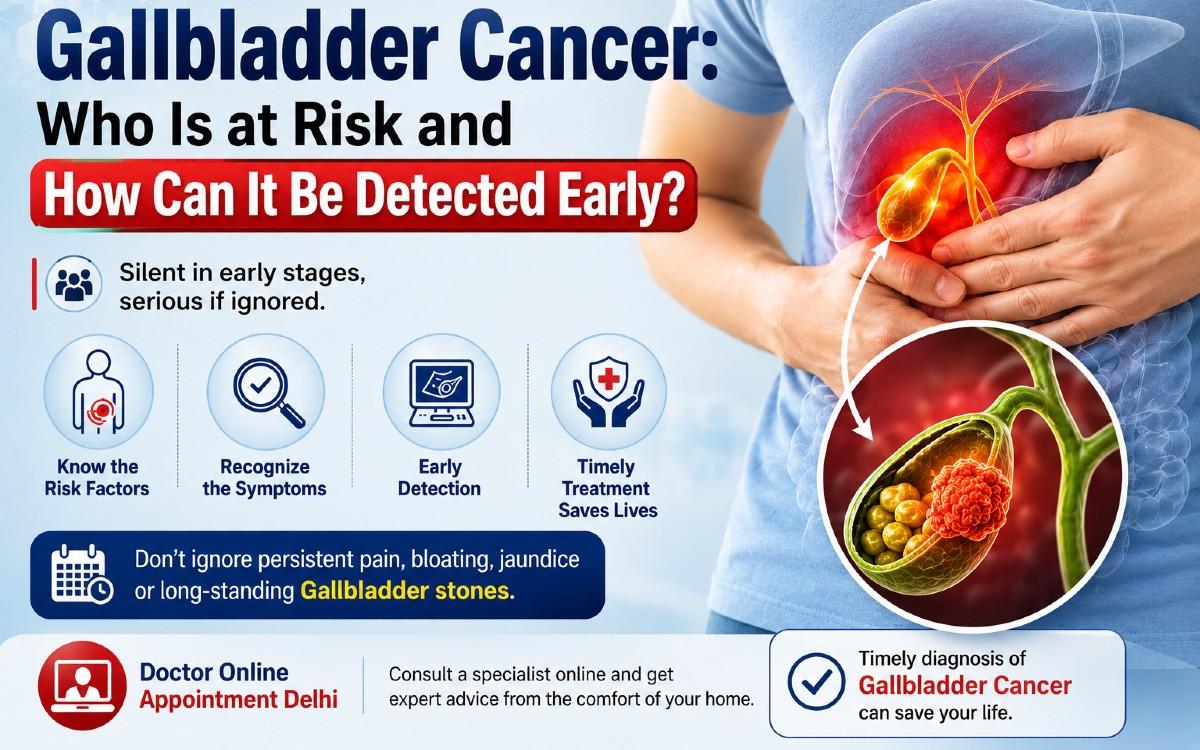
Gall bladder cancer is a rare but serious disease that often goes unnoticed in its early stages. Since the gall bladder is a small organ tucked beneath the liver, cancer can grow silently without causing obvious symptoms. Unfortunately, many cases are diagnosed only after the disease has spread, making treatment more challenging.
Gallbladder cancer is a rare but serious disease that often goes unnoticed in its early stages. Many people who have Gallbladder stones are never diagnosed with cancer, but long-standing stones remain one of the most important risk factors.
The good news is that understanding the risk factors and recognizing early warning signs can help people seek medical attention sooner. Early detection offers the best chance for successful treatment and improved outcomes.
What Is Gall Bladder Cancer?
Gall bladder cancer develops when abnormal cells in the gall bladder begin to grow uncontrollably. The gall bladder is a small, pear-shaped organ that stores bile, a digestive fluid produced by the liver. During digestion, the gall bladder releases bile into the small intestine to help break down fats.
Most gall bladder cancers begin in the inner lining of the organ and gradually spread to deeper layers if left untreated.
Although it is considered uncommon compared to other digestive cancers, gall bladder cancer is often aggressive because it is difficult to detect early.
Who Is Most at Risk?
Not everyone develops Gall bladder cancer, but certain factors increase the risk significantly.
1. Gallstones
Gallstones are the most common risk factor. They can cause long-term irritation and inflammation of the gall bladder lining, which may increase the chance of cancer over time.
It is important to note that while many people have gallstones, only a small percentage develop gall bladder cancer.
2. Chronic Gall Bladder Inflammation
Repeated infections or chronic inflammation of the gall bladder, known as chronic cholecystitis, can increase cancer risk by continuously damaging the gall bladder lining.
3. Age
Gall bladder cancer is more commonly diagnosed in people over the age of 60. The risk gradually increases with age.
4. Gender
Women are more likely to develop gall bladder cancer than men. This is partly because women are also more likely to develop gallstones.
5. Obesity
Being overweight or obese increases the likelihood of developing gallstones and chronic inflammation, both of which contribute to a higher cancer risk.
6. Gall Bladder Polyps
Large gall bladder polyps, especially those larger than one centimeter, have a greater chance of becoming cancerous and often require surgical removal.
7. Family History
Although uncommon, having a close family member with gall bladder cancer may slightly increase your personal risk.
8. Certain Medical Conditions
Some rare conditions affecting the bile ducts or gall bladder, including congenital abnormalities, may increase the likelihood of developing cancer.
What Are the Early Symptoms?
One of the biggest challenges is that early gall bladder cancer often causes no symptoms at all.
When symptoms do appear, they may include:
-
Pain or discomfort in the upper right side of the abdomen
-
Persistent bloating
-
Nausea or vomiting
-
Loss of appetite
-
Unexplained weight loss
-
Fever without a clear cause
-
Jaundice, where the skin and eyes become yellow
-
Dark urine and pale-colored stools
These symptoms may also occur with common gall bladder problems such as gallstones. However, if they persist or worsen, they should never be ignored.
How Is Gall Bladder Cancer Detected Early?
There is currently no routine screening test for gall bladder cancer in people without symptoms. Early diagnosis depends on recognizing risk factors and investigating suspicious symptoms promptly. If imaging tests reveal suspicious changes, you may be referred to a GI Cancer Surgery Doctor Greater Noida or a hepatobiliary specialist for further evaluation. Early consultation with an experienced surgeon helps determine whether additional imaging, biopsy, or surgery is needed.
Doctors usually follow these steps:
Step 1: Medical History and Physical Examination
The doctor asks about symptoms, previous gallstone disease, family history, and other medical conditions. A physical examination may reveal tenderness or swelling in the abdomen.
Step 2: Blood Tests
Blood tests help evaluate liver function and identify signs of bile duct blockage or liver involvement. Tumor markers may also be checked in selected cases, although they cannot confirm cancer on their own.
Step 3: Ultrasound
An abdominal ultrasound is usually the first imaging test. It can identify gallstones, thickening of the gall bladder wall, polyps, or suspicious masses.
Step 4: CT Scan or MRI
If ultrasound findings are concerning, a CT scan or MRI provides a more detailed view of the gall bladder, liver, and surrounding tissues. These scans help determine whether the cancer has spread.
Step 5: Endoscopic Imaging
In some patients, doctors may recommend specialized procedures such as endoscopic ultrasound or ERCP to closely examine the bile ducts and collect tissue samples if needed.
Step 6: Biopsy
A biopsy confirms the diagnosis by examining tissue under a microscope. In some situations, the diagnosis is made after the gall bladder has been removed during surgery for suspected gallstones.
Can Gall Bladder Cancer Be Prevented?
Although it cannot always be prevented, certain healthy habits may lower the risk.
-
Maintain a healthy body weight.
-
Eat a balanced diet rich in fruits, vegetables, and whole grains.
-
Stay physically active.
-
Manage diabetes and cholesterol levels.
-
Seek treatment for gallstones if your doctor recommends it.
-
Attend regular medical check-ups if you have large gall bladder polyps or chronic gall bladder disease.
Early management of long-term gall bladder problems may reduce the chances of serious complications.
Treatment Options
Treatment depends on how early the cancer is detected.
Common treatment options include:
-
Surgery to remove the gall bladder and nearby affected tissues
-
Liver surgery if the cancer has spread locally
-
Chemotherapy
-
Radiation therapy in selected cases
-
Targeted therapy or immunotherapy for advanced disease when appropriate
When the cancer is found at an early stage, surgery may offer the possibility of a complete cure.
When Should You See a Doctor?
Early consultation with a specialist can lead to timely diagnosis and better treatment outcomes. If visiting the hospital is difficult, you can also book a doctor online appointment in Delhi to discuss your symptoms and receive expert guidance before undergoing further tests. Do not ignore persistent digestive symptoms, especially if you have known gallstones or other risk factors.
You should consult a doctor if you experience:
-
Continuous pain in the upper right abdomen
-
Yellowing of the eyes or skin
-
Unexplained weight loss
-
Ongoing nausea or vomiting
-
Persistent bloating
-
Fever along with abdominal pain
Prompt medical evaluation can help identify the cause before the condition becomes more serious.
Frequently Asked Questions
Is gall bladder cancer common?
No. Gall bladder cancer is relatively rare, but it is often diagnosed at a later stage because early symptoms are usually absent.
Do gallstones always lead to gall bladder cancer?
No. Most people with gallstones never develop gall bladder cancer. However, long-standing gallstones increase the overall risk.
Can gall bladder cancer be cured?
Yes. If diagnosed early and completely removed through surgery, many patients have a much better chance of successful treatment.
Can gall bladder cancer be detected during gallstone surgery?
Yes. In some cases, cancer is discovered unexpectedly when the removed gall bladder is examined under a microscope after surgery.
Is abdominal pain always a sign of gall bladder cancer?
No. Most cases of abdominal pain are caused by less serious conditions such as gallstones, indigestion, or stomach problems. Persistent or unexplained symptoms should still be evaluated by a doctor.