
Can Pancreatic Problems Be Treated Without Surgery? Here’s What You Need to Know
Published on 28 May 2026
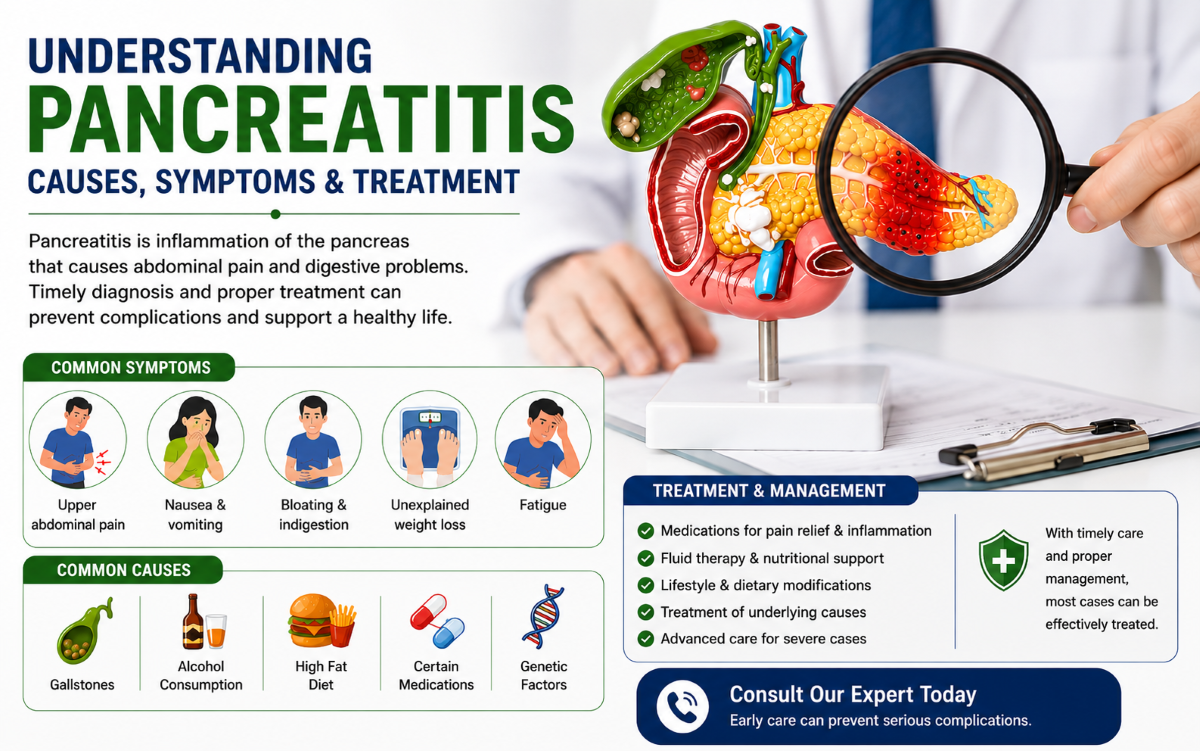
Hearing that you have a pancreatic problem can feel overwhelming. Many people immediately assume surgery is the only solution. But the truth is, not all pancreatic conditions require an operation. In many cases, pancreatic problems can be managed effectively with medications, lifestyle changes, advanced endoscopic procedures, and timely medical care.
The pancreas is one of the most important organs in the body because it helps control digestion and blood sugar levels.Symptoms such as abdominal pain, nausea, digestive discomfort, unexplained weight loss, and fatigue should never be ignored.
If you are experiencing persistent digestive problems, consulting an experienced Pancreas specialist or GI Cancer Surgery Doctor Patparganj Delhi can help ensure accurate diagnosis and proper treatment planning.
What Are Common Pancreatic Problems?
The pancreas can be affected by several medical conditions, including:
1. Pancreatitis
Pancreatitis refers to inflammation of the pancreas. It can be acute (sudden) or chronic (long-term).
Common Symptoms:
-
Severe abdominal pain
-
Nausea and vomiting
-
Fever
-
Digestive discomfort
-
Loss of appetite
Mild cases often respond well to non-surgical pancreatitis treatment, including medications, hydration, dietary changes, and lifestyle management.
2. Pancreatic Cysts
Pancreatic cysts are fluid-filled sacs that may develop inside the pancreas. Some cysts are harmless, while others require close monitoring or treatment.
3. Pancreatic Stones
Similar to kidney stones, pancreatic stones can block the pancreatic ducts and lead to pain or digestion-related problems.
4. Pancreatic Tumors
Not all tumors are cancerous. Some pancreatic growths can be managed with observation, medications, or minimally invasive procedures depending on their type and stage.
Can Pancreatic Problems Be Managed Without Surgery?
Yes, many pancreatic disorders can be treated without surgery, especially when diagnosed early.
Treatment depends on:
-
Severity of symptoms
-
Cause of the condition
-
Patient’s overall health
-
Presence of infection or complications
A qualified Pancreas specialist can recommend the most appropriate non-surgical treatment based on the patient’s condition.
Non-Surgical Treatments for Pancreatic Problems
1. Medications
Doctors may prescribe medications to:
-
Reduce inflammation
-
Control pain
-
Improve digestion
-
Manage infections
-
Control blood sugar levels
Pancreatic enzyme supplements are also commonly used to improve digestion.
2. Dietary and Lifestyle Changes
Lifestyle modifications play a major role in pancreatic health.
Doctors Often Recommend:
-
Low-fat diet
-
Avoiding alcohol and smoking
-
Eating smaller meals
-
Staying hydrated
-
Limiting processed foods
Healthy eating habits can reduce stress on the pancreas and support faster recovery.
3. Endoscopic Procedures
Certain pancreatic conditions can be treated using minimally invasive endoscopic procedures.
These procedures help:
-
Remove pancreatic duct blockages
-
Treat stones
-
Relieve pain
-
Improve digestion
This approach often avoids the need for major surgery.
4. Monitoring and Regular Checkups
Some mild pancreatic conditions only require observation and regular follow-up scans.
Doctors may suggest:
-
Ultrasound
-
CT scan
-
MRI
-
Blood tests
Early monitoring helps detect complications before they become serious.
When Is Surgery Necessary?
Although many pancreatic conditions can be treated without surgery, some situations may require surgical intervention.
Surgery may be recommended if:
-
Symptoms become severe
-
Tumors are detected
-
Pancreatic ducts are blocked
-
Infection spreads
-
Non-surgical treatments fail
Patients with complex digestive disorders often consult a trusted GI Cancer Surgery Doctor Patparganj Delhi for advanced pancreatic and gastrointestinal care.
Symptoms You Should Never Ignore
Seek medical attention immediately if you experience:
-
Persistent abdominal pain
-
Sudden weight loss
-
Yellowing of skin or eyes
-
Severe vomiting
-
Difficulty eating
-
Ongoing digestive issues
Early diagnosis greatly improves treatment success and reduces complications.
Benefits of Early Treatment
Timely treatment of pancreatic problems can help:
-
Prevent complications
-
Reduce pain and inflammation
-
Improve digestion
-
Avoid emergency situations
-
Improve quality of life
Regular health checkups and healthy lifestyle habits also help maintain long-term pancreatic health.
Tips to Keep Your Pancreas Healthy
Here are some simple ways to protect your pancreas:
Healthy Habits Include:
-
Eat balanced meals
-
Exercise regularly
-
Avoid smoking
-
Limit alcohol consumption
-
Maintain healthy body weight
-
Stay hydrated
Simple lifestyle changes can make a big difference in digestive and pancreatic health.
Conclusion
Not every pancreatic problem requires surgery. Many conditions can be treated successfully through medications, diet changes, minimally invasive procedures, and regular monitoring. However, ignoring symptoms may lead to serious complications over time.
If you are experiencing persistent digestive discomfort or abdominal pain, consult an experienced Pancreas specialist for proper diagnosis and treatment. Early medical care can help prevent complications and improve recovery outcomes.
For advanced digestive and pancreatic care, seeking guidance from a qualified GI Cancer Surgery Doctor Patparganj Delhi can ensure safe, effective, and personalized treatment options.