Why More Patients Are Choosing Laparoscopic Surgery Today: Benefits & Recovery
Published on 29 Jun 2026
Medical technology has transformed the way surgeries are performed. One of the biggest advancements in modern healthcare is laparoscopic surgery, also known as minimally invasive surgery. Today, more patients are choosing laparoscopic procedures over traditional open surgery—and for good reason. Smaller incisions, less pain, faster recovery, and better outcomes have made this approach increasingly popular among both patients and surgeons. Whether it’s gallbladder surgery, hernia repair, appendix removal, or advanced Laparoscopic GI surgery, minimally invasive procedures are changing lives every day.
If you’re considering surgery, understanding the benefits of laparoscopic treatment can help you make a confident decision.
What is Laparoscopic Surgery?
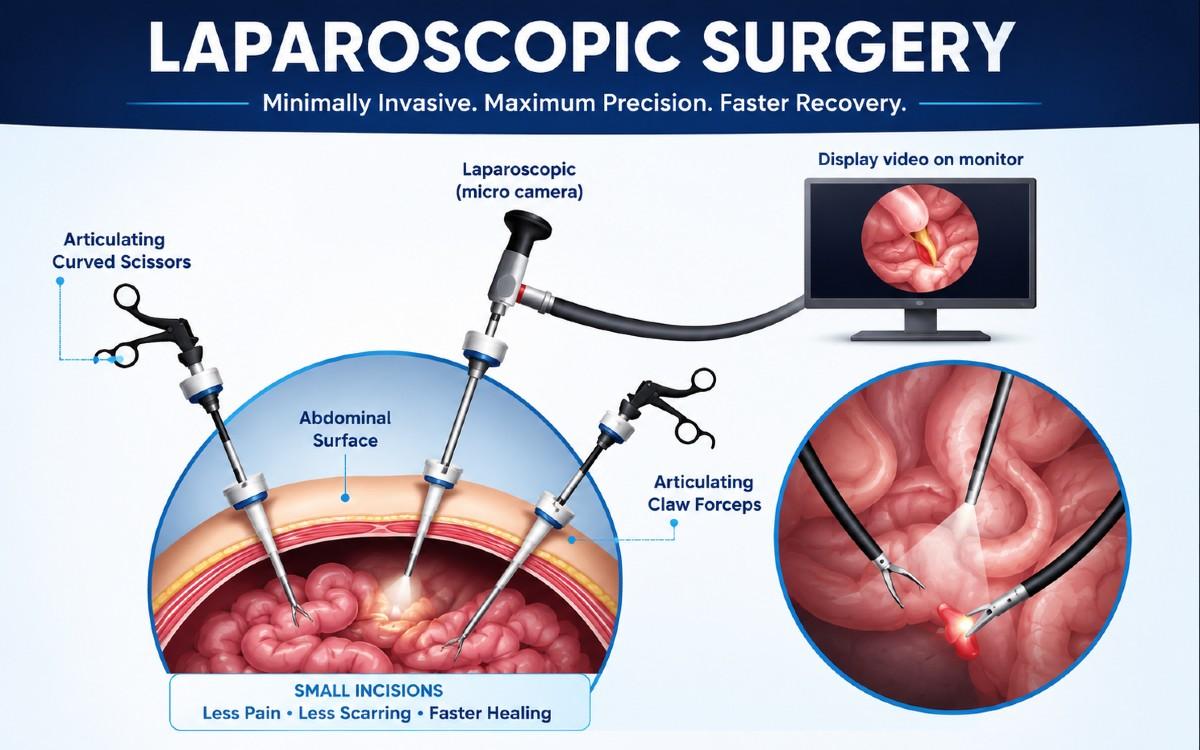
Laparoscopic surgery is a modern surgical technique performed through small incisions using a tiny camera and specialized surgical instruments. A laparoscope (small camera) is inserted through a small cut, allowing the surgeon to view internal organs on a monitor and perform surgery with precision.
Unlike traditional open surgery, laparoscopic procedures require much smaller cuts.
This means:
-
Less trauma to the body
-
Reduced pain
-
Faster healing
-
Minimal scarring
This is why many patients prefer consulting a skilled Laparoscopic Surgeon for surgical treatment today.
Common Conditions Treated with Laparoscopic Surgery
Laparoscopic surgery is widely used for treating several conditions.
These include:
-
Gallbladder stones
-
Hernia
-
Appendix
-
Acid reflux
-
Obesity surgery
-
GI cancers
-
Liver disorders
-
Pancreatic disorders
-
Colon and rectal diseases
Advanced Laparoscopic GI surgery is especially effective for treating digestive system disorders with high precision.
Why More Patients Are Choosing Laparoscopic Surgery
There are several reasons why laparoscopic surgery has become the preferred choice.
Let’s look at the major benefits.
1. Smaller Incisions
One of the biggest advantages is smaller cuts. Traditional surgery often requires large incisions, while laparoscopic surgery uses only tiny openings.
This leads to:
-
Less tissue damage
-
Reduced bleeding
-
Minimal scarring
For many patients, better cosmetic results are an added benefit.
2. Less Pain After Surgery
Smaller incisions mean less pain. Patients usually experience significantly less discomfort compared to open surgery.
As a result:
-
Less pain medication is needed
-
Recovery feels easier
-
Mobility improves faster
This makes the entire surgical experience more comfortable.
3. Faster Recovery
Recovery time is one of the biggest reasons patients prefer laparoscopic surgery. Most patients can return to normal activities much faster.
Typical benefits include:
-
Shorter hospital stay
-
Quicker healing
-
Faster return to work
-
Reduced recovery stress
Many laparoscopic procedures allow discharge within 24–48 hours.
4. Lower Risk of Infection
Large surgical wounds carry higher infection risks. Because laparoscopic surgery uses smaller incisions, the risk of wound infection is often lower. This improves patient safety and post-surgery comfort.
5. Minimal Blood Loss
Laparoscopic surgery offers better precision and control during procedures.
This usually results in:
-
Less bleeding
-
Lower complication risk
-
Safer surgery
This is especially important in complex GI procedures.
6. Better Surgical Precision
Modern laparoscopic equipment provides magnified internal views. This allows the surgeon to operate with greater accuracy. An experienced Laparoscopic Surgeon can perform delicate procedures with excellent precision and improved outcomes.
Recovery After Laparoscopic Surgery
Recovery varies depending on the procedure and patient condition. However, recovery is usually much smoother compared to open surgery.
General Recovery Timeline
-
Hospital stay: 1–3 days
-
Walking: Same day or next day
-
Daily activities: 1–2 weeks
-
Full recovery: 2–6 weeks
Following your surgeon’s advice is essential for smooth recovery.
Tips for Faster Recovery
Here are some helpful recovery tips:
-
Follow medication instructions
-
Stay hydrated
-
Eat light and healthy meals
-
Avoid heavy lifting
-
Walk regularly
-
Attend follow-up appointments
These simple steps can support faster healing.
Is Laparoscopic Surgery Safe?
Yes, laparoscopic surgery is considered safe and highly effective when performed by an experienced surgeon. Like any surgery, risks exist, but complications are generally low with proper care and expertise. Choosing the right surgeon is crucial. If you are searching for a trusted GI Surgeon in Delhi or a Laparoscopic Surgery Doctor in Greater Noida, always look for experience, specialization, and patient outcomes.
How to Choose the Right Laparoscopic Surgeon
The success of surgery depends heavily on your surgeon’s expertise.
Choose a specialist who offers:
-
Strong surgical experience
-
Expertise in GI procedures
-
Modern surgical techniques
-
Advanced hospital support
-
Excellent patient care
A qualified Laparoscopic Surgeon ensures safer treatment and better recovery.
Final Thoughts
Modern healthcare is moving toward safer, smarter, and less invasive treatments—and laparoscopic surgery is leading that transformation. From smaller incisions to faster recovery and better outcomes, the benefits are clear. That’s why more patients today are choosing laparoscopic surgery for a wide range of medical conditions. If surgery has been recommended for you, consult an experienced specialist to understand whether laparoscopic treatment is the right option.
Call to Action
Don’t delay the treatment you need.
Consult an experienced Laparoscopic Surgeon today and explore safe, advanced surgical care for faster recovery and better health outcomes.