GI Cancer Awareness: Symptoms You Shouldn’t Ignore & Treatment Advances
Published on 11 Apr 2026
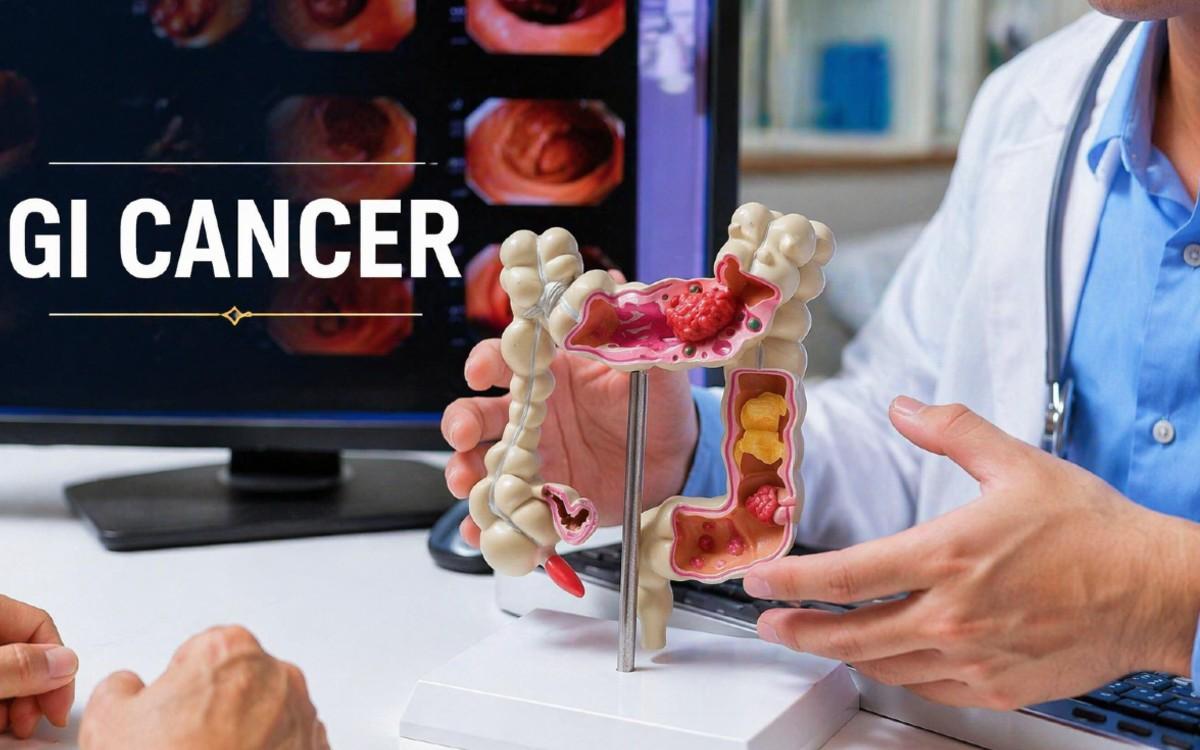
Gastrointestinal (GI) cancers are among the most common and serious health conditions affecting the digestive system. These cancers can develop in organs such as the esophagus, stomach, liver, pancreas, colon, and rectum. Despite their severity, early detection and timely treatment can significantly improve survival rates.
Raising awareness about symptoms and consulting an experienced GI Cancer Surgery Doctor Greater Noida can make a life-saving difference.
What is GI Cancer?
GI cancer refers to a group of cancers that affect the digestive tract and associated organs. These cancers may begin in one organ and spread to others if not treated early.
Types of GI Cancer:
-
Esophageal cancer
-
Stomach (gastric) cancer
-
Liver cancer
-
Pancreatic cancer
-
Colorectal (colon and rectal) cancer
-
Gallbladder and bile duct cancer
For accurate diagnosis and treatment planning, patients should consult Gastrointestinal Cancer Doctors in Greater Noida who specialize in managing complex digestive cancers.
Symptoms You Shouldn’t Ignore
One of the biggest challenges with GI cancers is that symptoms often appear in advanced stages. Being aware of early warning signs is essential.
Common Symptoms:
-
Persistent abdominal pain or discomfort
-
Blood in stool or black stools
-
Sudden weight loss without reason
-
Loss of appetite
-
Nausea or vomiting
-
Difficulty swallowing
-
Changes in bowel habits (diarrhea or constipation)
-
Chronic fatigue
If you notice any of these symptoms, it is important to seek medical advice from Gastrointestinal Oncologists in Greater Noida as early as possible.
Causes and Risk Factors
Several lifestyle and medical factors increase the risk of GI cancers:
-
Poor diet (high in processed foods and red meat)
-
Smoking and excessive alcohol consumption
-
Obesity and lack of physical activity
-
Family history of cancer
-
Chronic infections such as H. pylori or hepatitis
-
Long-standing inflammatory bowel diseases
Adopting a healthier lifestyle can reduce the risk significantly.
Diagnosis of GI Cancer
Early diagnosis is key to successful treatment. Doctors may recommend the following tests:
-
Endoscopy & Colonoscopy: To examine the digestive tract
-
Imaging Tests: CT scan, MRI, PET scan
-
Biopsy: To confirm the presence of cancer
-
Blood Tests: To check tumor markers
A skilled GI Cancer Surgeon Doctor Greater Noida ensures accurate staging and proper treatment planning.
Advanced Treatment Options
1. GI Cancer Surgery
Surgery remains the most effective treatment for many GI cancers, especially when detected early. The goal is to remove the tumor and prevent its spread.
Modern techniques include:
-
Laparoscopic Surgery: Minimally invasive with faster recovery
-
Robotic Surgery: Greater precision and reduced complications
Choosing a Gastrointestinal Cancer Surgeon Doctor Greater Noida ensures access to advanced surgical care and better outcomes.
2. Chemotherapy
Chemotherapy uses powerful drugs to kill cancer cells or stop their growth. It may be used before surgery (neoadjuvant) or after surgery (adjuvant).
3. Radiation Therapy
Radiation therapy uses high-energy beams to destroy cancer cells, often used in combination with other treatments.
4. Targeted Therapy & Immunotherapy
These are advanced treatment approaches:
-
Targeted Therapy: Focuses on specific cancer cells
-
Immunotherapy: Helps the immune system fight cancer
These therapies are recommended by experienced Gastrointestinal Oncologists in Greater Noida based on the patient’s condition.
Importance of Early Detection
Early-stage GI cancers are often treatable and, in some cases, curable. Delayed diagnosis can lead to complications and spread of cancer to other organs.
Regular screenings, especially for high-risk individuals, and timely consultation with a GI Cancer Surgery Doctor Greater Noida can improve survival chances significantly.
Prevention Tips
While not all cancers are preventable, you can reduce your risk by:
-
Eating a balanced, fiber-rich diet
-
Avoiding smoking and limiting alcohol intake
-
Exercising regularly
-
Maintaining a healthy weight
-
Going for routine health check-ups
Conclusion
GI cancer is a serious condition, but with increased awareness, early diagnosis, and advanced treatment options, it can be effectively managed. Understanding the symptoms and seeking timely medical help can save lives.
If you or your loved ones experience any warning signs, don’t delay—consult a specialist today and take a proactive step toward better health.