
What Happens If Colorectal Cancer Is Left Untreated? The Risks You Should Never Ignore
Published on 04 Jun 2026
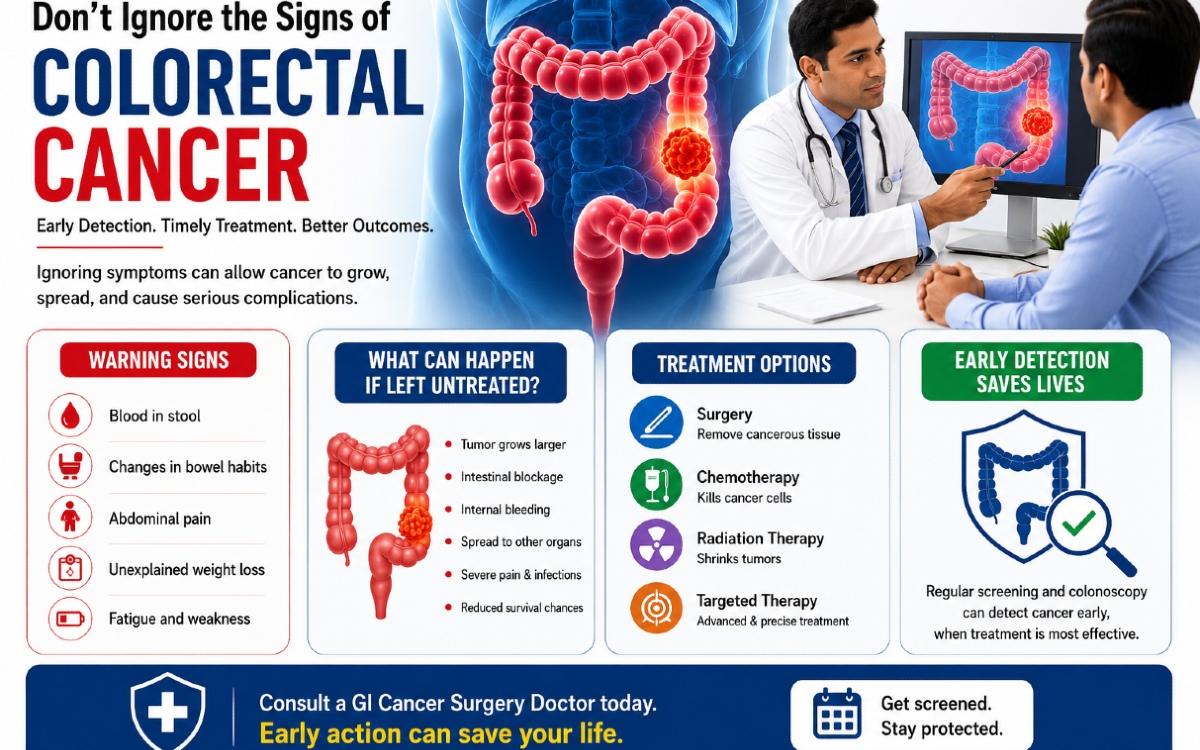
Many people ignore persistent digestive problems, assuming they are caused by stress, poor diet, or minor stomach issues. However, some symptoms can be warning signs of a much more serious condition—colorectal cancer.
Colorectal cancer is one of the most common cancers worldwide, yet many cases are diagnosed late because patients delay medical attention. When detected early, treatment outcomes are often highly successful. But what happens if colorectal cancer is left untreated?
The answer is concerning. Untreated colorectal cancer can continue to grow, spread to other organs, cause life-threatening complications, and significantly reduce survival rates. Understanding these risks can help patients seek timely care and improve their chances of recovery.
In this article, we'll explore the consequences of delaying treatment, common warning signs, and why early intervention is critical.
Understanding Colorectal Cancer
Colorectal cancer develops in the colon or rectum, which are parts of the large intestine. It often begins as small growths called polyps that gradually become cancerous over time.
The disease may progress silently in its early stages, making regular screening and awareness of colorectal cancer symptoms essential for early detection.
Common symptoms include:
-
Changes in bowel habits
-
Persistent diarrhea or constipation
-
Blood in the stool
-
Abdominal pain or cramping
-
Unexplained weight loss
-
Fatigue and weakness
-
Feeling that the bowel does not empty completely
Unfortunately, ignoring these symptoms can allow the disease to advance.
What Happens When Colorectal Cancer Is Left Untreated?
1. The Tumor Continues to Grow
Cancer cells do not stop growing on their own. Without proper colorectal cancer treatment, the tumor can increase in size and invade nearby tissues.
As the tumor grows, patients may experience:
-
Increased abdominal discomfort
-
More frequent bowel changes
-
Persistent bleeding
-
Greater difficulty passing stool
A larger tumor often makes treatment more complex and may require extensive colorectal cancer surgery.
2. Intestinal Blockage Can Occur
One of the most serious complications of untreated colorectal cancer is bowel obstruction.
As the tumor enlarges, it may partially or completely block the colon, preventing waste from passing normally.
Symptoms of bowel obstruction include:
-
Severe abdominal pain
-
Bloating
-
Nausea and vomiting
-
Inability to pass stool or gas
This situation is considered a medical emergency and often requires immediate surgery.
3. Internal Bleeding and Anemia May Develop
Many colorectal tumors bleed slowly over time. While the bleeding may not always be visible, continuous blood loss can lead to anemia.
Signs of anemia include:
-
Extreme fatigue
-
Dizziness
-
Weakness
-
Shortness of breath
-
Pale skin
Patients often assume these symptoms are related to stress or aging, delaying diagnosis further.
4. Cancer Can Spread to Other Organs
Perhaps the most dangerous consequence of untreated colorectal cancer is metastasis—the spread of cancer to distant organs.
The disease commonly spreads to:
-
Liver
-
Lungs
-
Lymph nodes
-
Peritoneum (abdominal lining)
Once colorectal cancer reaches advanced stages, treatment becomes more challenging, and the chances of long-term survival decrease significantly.
This is why consulting experienced Gastrointestinal Oncologists in Greater Noida at the earliest sign of concern is crucial.
5. Severe Pain and Reduced Quality of Life
As cancer advances, patients often experience increasing discomfort and complications that affect daily living.
These may include:
-
Chronic abdominal pain
-
Difficulty eating
-
Loss of appetite
-
Unintended weight loss
-
Physical weakness
Simple daily activities may become difficult, reducing overall quality of life.
6. Increased Risk of Infection
Advanced tumors can sometimes create perforations (holes) in the intestinal wall.
When this occurs, bacteria from the intestine can leak into the abdominal cavity, causing serious infections such as:
-
Peritonitis
-
Sepsis
-
Abscess formation
These conditions require urgent medical intervention and can be life-threatening if left untreated.
7. Survival Rates Decrease Significantly
The stage at which colorectal cancer is diagnosed has a major impact on treatment success.
Early-stage colorectal cancer often has favorable outcomes because the disease remains localized. However, delayed treatment allows cancer cells to spread, making management more difficult.
Timely diagnosis and treatment can dramatically improve survival rates and reduce complications.
Why Early Treatment Matters
Modern advances in colorectal cancer treatment have improved outcomes significantly.
Treatment options may include:
Surgery
For many patients, colorectal cancer surgery remains the most effective treatment option, especially in the early stages.
Surgery can:
-
Remove cancerous tissue
-
Prevent further spread
-
Relieve symptoms
-
Improve long-term survival
Chemotherapy
Chemotherapy may be recommended before or after surgery to destroy cancer cells and reduce recurrence risk.
Radiation Therapy
Radiation therapy is commonly used in rectal cancer cases to shrink tumors and improve surgical outcomes.
Targeted and Immunotherapy
Certain patients may benefit from advanced treatments that specifically target cancer cells while minimizing damage to healthy tissues.
Who Is at Higher Risk?
Several factors can increase the risk of developing colorectal cancer:
-
Age over 45
-
Family history of colorectal cancer
-
Inflammatory bowel disease
-
Obesity
-
Smoking
-
Excessive alcohol consumption
-
Diet high in processed foods
Individuals with these risk factors should undergo regular screening and seek expert guidance when symptoms appear.
When Should You See a Specialist?
Do not ignore symptoms that persist for more than a few weeks.
You should seek medical evaluation if you experience:
-
Blood in the stool
-
Persistent constipation or diarrhea
-
Unexplained weight loss
-
Ongoing abdominal discomfort
-
Chronic fatigue
-
Changes in bowel habits
Consulting a qualified GI Cancer Surgery Doctor Greater Noida can help ensure an accurate diagnosis and timely treatment plan.
Tips for Early Detection and Prevention
While not all cases can be prevented, these steps may help lower risk:
-
Eat a fiber-rich diet
-
Exercise regularly
-
Maintain a healthy weight
-
Avoid tobacco products
-
Limit alcohol consumption
-
Schedule regular screenings
-
Seek medical advice for unusual digestive symptoms
Prevention and early detection remain the strongest defenses against colorectal cancer.
Conclusion
Ignoring colorectal cancer symptoms can have serious and potentially life-threatening consequences. Left untreated, colorectal cancer may continue to grow, spread to vital organs, cause bowel obstruction, trigger internal bleeding, and significantly reduce survival chances.
The good news is that early diagnosis and appropriate colorectal cancer treatment can greatly improve outcomes. Whether treatment involves medication, advanced therapies, or colorectal cancer surgery, timely intervention offers the best opportunity for recovery.